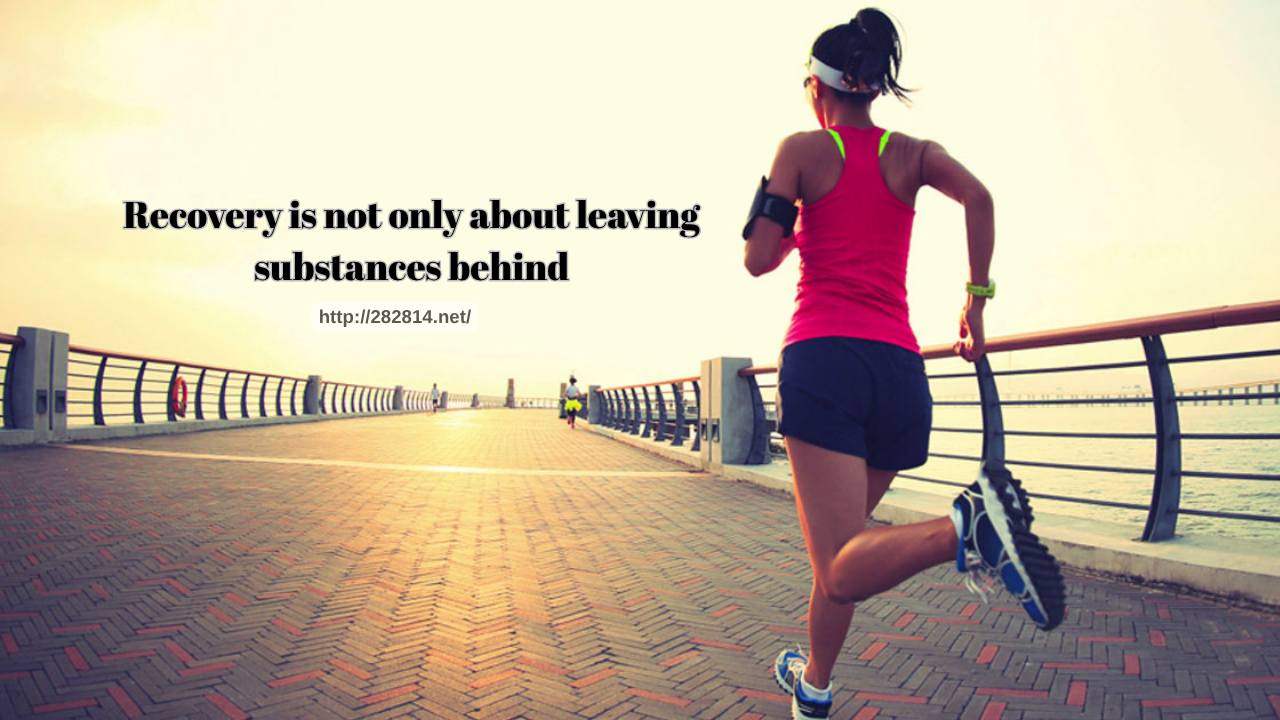
Good vs. Bad Lifestyle Choices: Navigating Recovery with Purpose

Recovery from addiction is about more than abstaining from substances. It is about making intentional choices that support health, mental clarity, and emotional resilience. Every decision, from what we eat to how we spend our time, shapes the path toward lasting sobriety. At 282814.net, we guide individuals in understanding the difference between good and bad lifestyle choices and using that awareness to navigate recovery with purpose.

Understanding the Impact of Lifestyle Choices

How Choices Affect Recovery

Addiction changes how the brain responds to stress, reward, and decision-making. This makes it easy to fall back into old habits if daily choices are not mindful. Healthy decisions reinforce recovery, improve overall well-being, and reduce the risk of relapse. Conversely, unhealthy habits—such as irregular sleep, poor nutrition, or toxic relationships—can undermine progress and make sobriety more challenging.

Recognizing Patterns

The first step in navigating lifestyle choices is identifying which habits support recovery and which hinder it. Reflection and self-awareness allow individuals to recognize triggers, evaluate routines, and make adjustments that align with recovery goals.

Building Good Lifestyle Habits

Nutrition and Physical Wellness

A balanced diet and regular exercise play critical roles in supporting the body and mind after addiction. Nutrient-rich foods improve energy, mood, and focus, while consistent physical activity strengthens resilience and reduces stress. Simple habits like preparing meals, walking daily, or joining a fitness group can reinforce a sense of control and accomplishment.

Structured Routines

A predictable daily schedule can create stability in a life that was once disrupted by addiction. Planning meals, therapy sessions, meetings, and personal time ensures that recovery remains a priority. Structured routines also provide opportunities to integrate mindfulness, hobbies, and social connections that enhance overall well-being.

Positive Social Connections

Surrounding oneself with supportive friends, family, and peers in recovery reinforces healthy choices. Building relationships with people who encourage growth, accountability, and understanding helps reduce isolation and promotes emotional stability. Recovery-focused communities and faith-based support can also provide additional guidance and motivation.

Identifying Bad Lifestyle Habits

Stress and Poor Coping Mechanisms

High stress levels without healthy coping strategies often lead to relapse. Avoiding triggers, practicing stress management techniques like meditation, and seeking professional counseling are essential to maintain control over recovery.

Negative Social Influences

Toxic relationships or environments that encourage substance use can derail progress. Setting clear boundaries and minimizing exposure to negative influences protects sobriety and fosters a more supportive environment.

Neglecting Mental and Physical Health

Skipping meals, avoiding exercise, and neglecting therapy sessions or support groups can weaken recovery. Paying attention to physical and emotional needs ensures that individuals are prepared to face daily challenges without relying on substances.

Navigating Recovery with Purpose

Recovery is a journey built on mindful, consistent choices. By embracing good habits and reducing harmful ones, individuals can create a life of balance, strength, and fulfillment. At 282814.net, we offer holistic, faith-based, and individualized care to help clients understand the impact of their lifestyle decisions and develop routines that support long-term recovery.

If you or a loved one is ready to take the next step in reclaiming health and stability, reach out to 282814.net today. With compassionate guidance and a focus on whole-person wellness, every choice can become an opportunity to move closer to lasting sobriety.
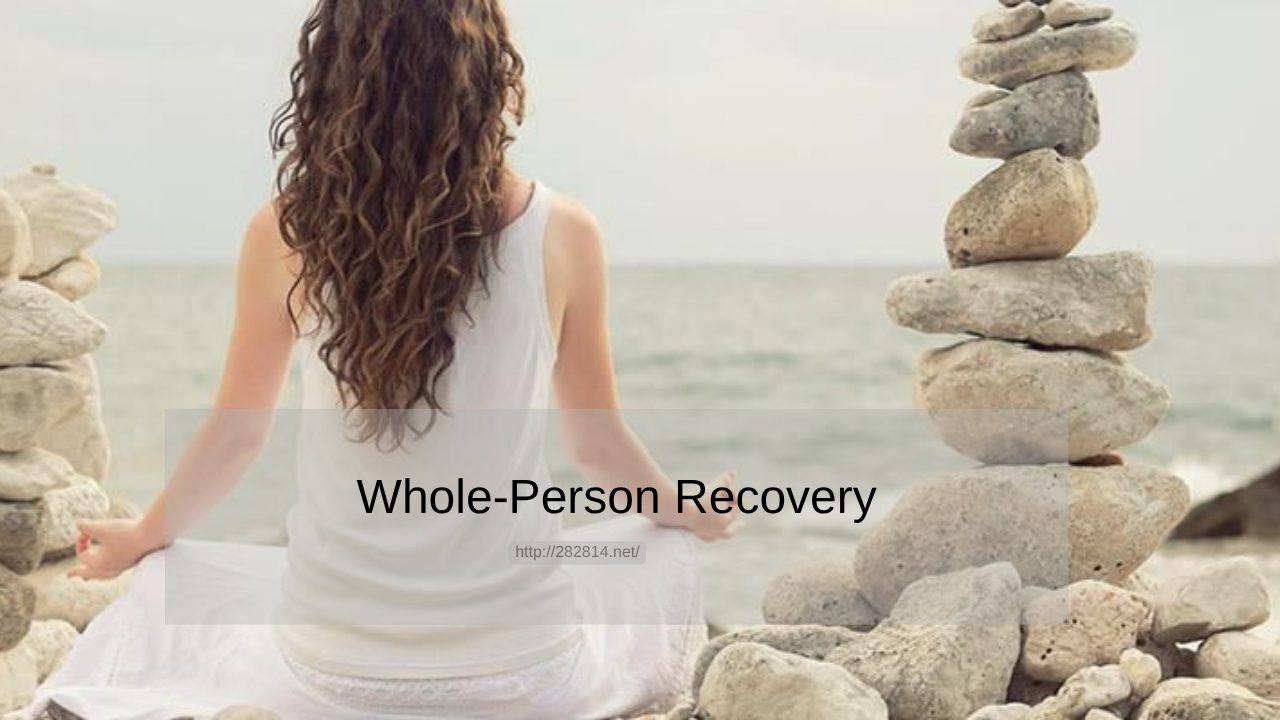

Whole-Person Recovery: Why Holistic Living is Key to Overcoming Addiction

Recovery is not just about ending substance use. It is about rebuilding every part of your life—mind, body, and spirit. At 282814.net, we believe true healing happens when all aspects of a person are cared for. This approach, known as whole-person or holistic recovery, focuses on treating the root causes of addiction and helping individuals create a balanced, fulfilling lifestyle that supports long-term sobriety.

Understanding Whole-Person Recovery

Addiction affects more than just the physical body. It impacts emotional health, relationships, and spiritual well-being. A holistic recovery program recognizes that every individual’s healing journey is unique and that recovery requires attention to all areas of life. By integrating physical, emotional, mental, and spiritual care, people can find deeper healing and lasting freedom from addiction.

Healing the Body: Building a Foundation of Physical Wellness

Nutrition and Exercise

Substance use can leave the body depleted and weak. Restoring physical health through balanced nutrition and regular exercise helps repair damage and boosts energy levels. Eating whole foods rich in nutrients and engaging in daily physical activity promote better sleep, reduce anxiety, and improve overall mood.

Rest and Self-Care

The body needs time and care to recover from the toll of addiction. Creating consistent sleep routines, practicing relaxation techniques, and making time for rest are essential parts of rebuilding strength and vitality.

Healing the Mind: Mental and Emotional Wellness

Therapy and Counseling

Addressing the mental and emotional roots of addiction is key to long-term recovery. Professional therapy helps individuals identify triggers, manage stress, and process past trauma. Cognitive-behavioral therapy (CBT), mindfulness techniques, and support groups all play vital roles in strengthening mental health.

Stress Management and Mindfulness

Learning how to manage stress in healthy ways reduces the risk of relapse. Practices such as meditation, deep breathing, and journaling promote clarity and calm. These daily habits allow individuals to respond to challenges thoughtfully rather than reactively.

Healing the Spirit: Faith and Purpose in Recovery

At 282814.net, we understand that spiritual healing is often the missing piece in recovery. Faith-based care offers hope, direction, and a renewed sense of purpose. Whether through prayer, reflection, or spiritual counseling, connecting with one’s beliefs provides comfort and motivation during difficult moments.

A strong spiritual foundation helps individuals find meaning in their recovery journey and rebuild a life rooted in peace and gratitude.

Healing Through Connection: Relationships and Community

Recovery thrives in supportive environments. Building healthy relationships with family, friends, and recovery peers strengthens accountability and reduces isolation. Participating in group therapy, faith-based gatherings, or community service activities can help individuals reconnect and rediscover their sense of belonging.

Why Holistic Living Supports Lasting Recovery

Whole-person recovery teaches individuals to live with awareness, balance, and intention. When physical health, mental clarity, and spiritual well-being are aligned, the desire to use substances naturally decreases. Instead of focusing only on abstinence, holistic living empowers people to build a life so full and meaningful that addiction no longer feels like an option.

At 282814.net, our holistic and faith-based programs combine clinical expertise with compassionate care. Through individualized treatment plans, inpatient and outpatient options, and wellness-focused therapies, we help clients build sustainable habits that support recovery for life.

Embrace Healing From the Inside Out

Overcoming addiction is not about quick fixes. It is about creating a life of balance, purpose, and wellness. Whole-person recovery provides the tools and support needed to heal deeply and live fully.

If you or someone you love is ready to take the next step toward lasting recovery, reach out to 282814.net today. Our compassionate team is here to help you begin your journey toward holistic healing and lifelong transformation.

Reclaiming Life After Addiction: Building Habits That Empower Healing

Recovery from addiction is a journey of transformation. It is not just about avoiding substances but about reclaiming a life that is meaningful, balanced, and healthy. At 282814.net, we understand that the small daily habits a person builds can have a profound impact on long-term recovery. By focusing on routines that support mental health, physical well-being, and emotional resilience, individuals can create a lifestyle that empowers healing and sustains sobriety.

The Importance of Habits in Recovery

Addiction often disrupts routines and creates patterns that make relapse more likely. Establishing healthy habits provides structure, stability, and a sense of purpose. When daily life is intentional and guided by recovery-focused actions, triggers are easier to manage, stress is reduced, and the mind and body are better prepared to handle challenges.

Even small actions, repeated consistently, can build momentum. Whether it is choosing nutritious meals, engaging in exercise, or taking time for reflection, each habit contributes to a foundation for long-term wellness.

Building a Daily Routine That Supports Healing

Prioritize Physical Health

Substance use can take a toll on the body. Rebuilding physical health through proper nutrition and regular exercise is essential. Balanced meals rich in whole foods, lean proteins, and fresh fruits and vegetables provide energy and support brain function. Physical activity, from walking and yoga to strength training, reduces stress, boosts mood, and restores confidence in the body’s strength.

Incorporate Mindfulness and Emotional Care

Stress and negative emotions can be powerful triggers for relapse. Daily practices such as meditation, journaling, or prayer help individuals manage stress, increase self-awareness, and cultivate emotional resilience. Therapy and counseling provide additional tools to process trauma and develop healthy coping strategies.

Create Purpose Through Small Goals

Recovery is strengthened when individuals reconnect with meaningful activities. Setting achievable daily or weekly goals, such as learning a new skill, volunteering, or pursuing a creative project, helps restore a sense of accomplishment and purpose. These goals reinforce self-worth and provide motivation to maintain sobriety.

Cultivating Positive Social Connections

Surround Yourself With Support

Healthy relationships are critical in recovery. Family, friends, and peers in recovery communities offer encouragement, accountability, and a sense of belonging. Positive social connections provide emotional support and reduce the risk of isolation, which can be a major relapse trigger.

Establish Healthy Boundaries

Equally important is setting boundaries with people, places, or situations that may encourage substance use. Creating a safe environment allows individuals to focus on recovery without distractions or negative influences.

Integrating Holistic and Faith-Based Approaches

At 282814.net, we provide care that addresses the whole person: mind, body, and spirit. Holistic and faith-based approaches help individuals reconnect with themselves and their values, reinforcing positive habits and promoting long-term wellness. Combining medical treatment, counseling, and spiritual guidance creates a personalized plan that meets each person’s unique needs.

Empower Healing Through Daily Habits

Reclaiming life after addiction is a process built on consistent, intentional choices. By establishing habits that prioritize physical health, emotional well-being, meaningful purpose, and supportive relationships, individuals can create a life that empowers healing and reduces the risk of relapse.

At 282814.net, we are committed to guiding each person in building a recovery lifestyle that is sustainable and fulfilling. If you or a loved one is ready to take the next step toward lasting recovery, reach out today. Every small habit brings you closer to a healthier, more empowered life.

The Recovery Lifestyle: Small Daily Choices That Prevent Relapse

Recovery is not only about leaving substances behind. It is about creating a lifestyle that makes long-term sobriety possible. Every day, the small choices we make either strengthen recovery or weaken it. At 282814.net, we believe that adopting a recovery lifestyle means building daily habits that reduce stress, improve health, and protect against relapse. When individuals focus on consistent routines, balanced wellness, and supportive relationships, recovery becomes sustainable and fulfilling.

Why Daily Choices Matter in Recovery

Relapse rarely happens suddenly. It is often the result of small stressors, unhealthy habits, or unresolved triggers building up over time. By paying attention to daily decisions, people in recovery can stay ahead of challenges before they grow into setbacks. Choosing to eat well, get enough rest, attend meetings, and reach out for help are examples of small actions that build resilience.

Creating a Strong Foundation Through Routine

Structure Brings Stability

Addiction thrives in chaos. A predictable routine provides structure and helps individuals stay focused on recovery goals. Waking up at the same time, planning meals, and setting daily priorities create a sense of order and purpose.

Scheduling Recovery Activities

Making time for therapy, group meetings, or personal reflection ensures recovery stays a priority. These consistent practices remind individuals of their progress and reinforce accountability.

Healthy Habits That Protect Sobriety

Nutrition and Physical Health

Eating balanced meals and staying hydrated support brain function and emotional stability. Exercise is equally important. Physical activity not only improves overall health but also relieves stress and boosts mood, reducing the urge to return to old coping mechanisms.

Mindfulness and Stress Management

Stress is a major relapse trigger. Mindfulness practices such as meditation, journaling, or prayer help calm the mind and create healthier emotional responses. These tools allow individuals to manage stress without turning to substances.

The Role of Social Choices

Surrounding Yourself With Support

Relationships play a powerful role in recovery. Spending time with supportive family, friends, and peers creates encouragement and accountability. Recovery groups and faith-based communities provide safe spaces to share struggles and victories.

Setting Boundaries

Avoiding people, places, or situations that encourage substance use is equally important. Healthy boundaries protect sobriety and make space for new, positive connections to grow.

Integrating Faith and Holistic Healing

At 282814.net, we recognize that true healing addresses the whole person: mind, body, and spirit. For many, faith provides comfort, strength, and guidance in maintaining daily choices that align with recovery. Our holistic approach combines medical treatment, counseling, and spiritual support to help clients create lasting lifestyle changes.

Choosing Recovery Every Day

Recovery is not defined by one decision but by the small, consistent choices made each day. By building routines, embracing healthy habits, managing stress, and cultivating supportive relationships, individuals can protect their sobriety and thrive.

At 282814.net, we are committed to walking alongside you as you create a recovery lifestyle that prevents relapse and supports lifelong healing. If you or a loved one is ready to take the next step, reach out today. Every choice you make brings you closer to a healthier, more fulfilling future.