Healthy Connections: How Social Choices Impact Addiction Recovery

Recovery is more than a personal journey. It is also shaped by the people we choose to surround ourselves with. Relationships can either support long-term healing or make the road to recovery more difficult. At 282814.net, we understand that building healthy connections is one of the most powerful tools for maintaining sobriety, improving mental health, and creating a life of balance.

Why Social Choices Matter in Recovery

Addiction often thrives in environments filled with stress, unhealthy influences, or isolation. Choosing supportive relationships can make the difference between relapse and resilience. The social environment we engage in directly impacts how we cope with challenges, manage triggers, and stay committed to recovery goals.

Healthy social choices provide encouragement, accountability, and emotional stability. On the other hand, surrounding oneself with negative influences can reopen old wounds, increase cravings, and weaken progress. Recognizing the importance of social connections is the first step toward building a network that supports recovery.

Building a Supportive Network

Family and Loved Ones

For many individuals, family plays a central role in recovery. Rebuilding trust and improving communication can strengthen these relationships, providing a foundation of care and stability. Involving loved ones in therapy or support sessions often helps create mutual understanding and reduces feelings of isolation.

Support Groups and Recovery Communities

Peer support is another powerful tool in the healing process. Groups such as 12-step programs, faith-based meetings, or other peer recovery networks offer a safe space to share experiences and encouragement. These communities remind individuals that they are not alone, creating accountability and belonging.

Friendships and Healthy Boundaries

Friendships can either uplift or hinder recovery. It is important to create boundaries with those who may encourage unhealthy behaviors and instead invest time in relationships that promote sobriety and wellness. Healthy friendships are built on respect, shared values, and positive support.

Social Health and Mental Well-Being

Reducing Isolation

One of the most difficult challenges of recovery is loneliness. Isolation can lead to feelings of despair and increase the risk of relapse. Building connections with supportive people reduces isolation, improves confidence, and promotes emotional healing.

Encouragement in Daily Life

Having supportive people nearby helps individuals stay focused on their goals. Whether it is through a conversation, shared activity, or encouragement during a difficult day, positive relationships can provide the strength needed to keep moving forward.

Holistic Healing Through Social Choices

At 282814.net, we believe recovery is not just about abstaining from substances. It is about creating a life filled with purpose and connection. Our holistic and faith-based approach helps individuals strengthen their social well-being while addressing emotional, physical, and spiritual needs. Through inpatient and outpatient care, clients are guided in developing healthier relationships, building resilience, and creating a life of balance.

Choosing Relationships That Support Recovery

Recovery is not a journey meant to be walked alone. Every connection we make influences our path, either pulling us backward or moving us forward. By choosing healthy relationships, setting boundaries, and seeking supportive communities, individuals in recovery can build a strong foundation for long-term healing.

At 282814.net, we are here to help you create a life of lasting wellness surrounded by people who support your success. If you or a loved one is ready to strengthen recovery with compassionate care and meaningful connections, reach out today. Healing begins with the choices you make, and the right support can make all the difference.


Nutrition, Fitness, and Sobriety: Creating a Healthier Life in Recovery

Recovery is about more than breaking free from addiction. It is about rebuilding a life that supports health, balance, and long-term wellness. At 282814.net, we believe that nutrition, fitness, and sobriety work together to create a strong foundation for lasting recovery. When individuals focus on fueling the body with nourishing foods, staying active, and embracing healthier habits, they discover new strength and resilience on their journey toward healing.

Why Lifestyle Matters in Recovery

Addiction affects both body and mind. It often depletes nutrients, weakens physical health, and disrupts emotional balance. While therapy, counseling, and structured treatment programs provide essential guidance, lifestyle choices play a powerful role in restoring vitality and preventing relapse. Focusing on nutrition and fitness is not just about improving appearance. It is about repairing what addiction has damaged and creating daily habits that sustain sobriety.

The Role of Nutrition in Healing

Restoring Balance Through Food

Addiction often leads to irregular eating habits and nutrient deficiencies. Choosing balanced meals rich in whole foods helps the body repair itself, stabilize mood, and restore energy. Lean proteins, fruits, vegetables, whole grains, and healthy fats all contribute to a stronger body and clearer mind.

How Nutrition Supports Sobriety

What we eat affects how we feel. Nutrient-dense foods support brain function, reduce cravings, and improve mental clarity. Proper hydration also plays a critical role in recovery, helping regulate mood and maintain focus. At 282814.net, we encourage individuals to view food as a form of medicine that supports both body and spirit.

Fitness as a Path to Strength and Stability

Exercise for Physical Health

Movement is one of the most effective tools for restoring strength after addiction. Regular exercise improves cardiovascular health, boosts immune function, and helps regulate sleep. Simple activities like walking, stretching, or yoga can be powerful steps toward rebuilding physical wellness.

Fitness and Emotional Well-Being

Exercise is also a natural stress reliever. It stimulates the release of endorphins, which lift mood and reduce anxiety. For those in recovery, fitness provides a constructive outlet for stress and frustration while building confidence and discipline. Finding enjoyable activities makes it easier to stay consistent and turn exercise into a sustainable habit.

Integrating Nutrition and Fitness Into Recovery Plans

Personalized and Holistic Care

Every recovery journey is unique, which is why individualized care is essential. At 282814.net, we provide holistic and faith-based support that integrates nutrition and fitness into personalized treatment plans. Whether through inpatient or outpatient care, we help individuals create routines that align with their goals and lifestyle.

Building Healthy Habits for the Future

Developing routines around nutrition and fitness not only strengthens sobriety but also prepares individuals for life beyond treatment. Small, consistent choices build confidence and create a sense of accomplishment. These habits become cornerstones of a healthier, more fulfilling life.

Choosing Wellness Every Day

Recovery is about more than avoiding substances. It is about choosing a healthier, stronger, and more balanced life. By focusing on nutrition, fitness, and sobriety, individuals can build resilience, restore health, and find new joy in daily living. At 282814.net, we are committed to walking alongside each person as they create a lifestyle that supports long-term healing.

If you or a loved one is ready to take the next step toward recovery, reach out today. With compassionate support and a holistic approach, a healthier life is within reach.

Mind, Body, and Recovery: Why Wellness Matters in Overcoming Addiction

Recovery from addiction is about much more than removing harmful substances from daily life. True healing requires a focus on the whole person: mind, body, and spirit. At 282814.net, we believe that recovery is most effective when supported by wellness practices that strengthen mental health, restore physical vitality, and nurture spiritual growth. By creating balance in these areas, individuals can move beyond short-term sobriety and build a foundation for lasting wellness.

The Connection Between Wellness and Recovery

Addiction affects every part of life. It impacts the brain and decision-making, damages physical health, and often leaves emotional and spiritual wounds. While therapy, counseling, and treatment programs provide vital guidance, recovery becomes stronger when supported by intentional wellness practices. Focusing on nutrition, exercise, rest, and mindfulness not only helps the body heal but also strengthens resilience against relapse.

Wellness is not a luxury during recovery. It is an essential part of the healing journey that supports long-term transformation.

Strengthening the Body Through Healthy Choices

Nutrition as a Tool for Healing

Substance use often leaves the body depleted of key nutrients. Rebuilding health starts with simple changes such as balanced meals, hydration, and consistent eating habits. Nutritious foods help regulate mood, improve concentration, and provide the energy needed to stay focused on recovery goals.

The Role of Exercise in Recovery

Movement has been shown to reduce cravings, improve sleep, and release natural endorphins that elevate mood. Whether it is walking, yoga, or strength training, regular activity can help restore confidence and provide a constructive outlet for stress. At 282814.net, we encourage individuals to find forms of movement that they enjoy and can sustain over time.

Building Mental and Emotional Resilience

Therapy and Support Systems

Emotional health plays a central role in recovery. Through inpatient and outpatient care, counseling, and group support, individuals learn strategies to manage triggers and address underlying challenges. A strong support system provides accountability and reduces the isolation that often accompanies addiction.

Mindfulness and Stress Management

Stress is one of the most common relapse triggers. Learning to manage it effectively can make the difference between falling back into old habits and staying on the recovery path. Practices such as meditation, journaling, or breathing exercises offer powerful ways to calm the mind and build self-awareness.

Nurturing the Spirit Through Faith and Purpose

For many, recovery is also a spiritual journey. Faith-based practices, prayer, or reflection on personal values bring meaning to the healing process. Spiritual connection can foster hope, renew motivation, and inspire a sense of belonging that supports long-term sobriety. At 282814.net, we respect each individual’s path and offer care that integrates faith in ways that feel personal and supportive.

Creating a Life of Balance and Wellness

Recovery is not just about avoiding relapse. It is about creating a life that feels worth living. When individuals focus on wellness, they discover new sources of joy, purpose, and confidence. This might mean exploring new hobbies, reconnecting with loved ones, or setting achievable personal goals. Each positive choice builds momentum toward a healthier and more fulfilling future.

Conclusion: Taking the Next Step Toward Healing

Mind, body, and spirit are all connected in the recovery journey. By investing in wellness at every level, individuals gain the strength and clarity to overcome challenges and embrace a new life. At 282814.net, our compassionate team offers personalized, holistic, and faith-based support designed to help each person thrive beyond addiction.

If you or someone you love is ready to begin the journey toward true healing, reach out today. With the right care and a focus on wellness, recovery is not only possible but sustainable.

From Surviving to Thriving: Lifestyle Shifts That Support Recovery

Recovery is not just about enduring the day—it is about embracing each morning with renewed strength. At 282814.net, we believe that moving from surviving to thriving begins when the whole person is nurtured. Through our addiction recovery services, mental health treatment, inpatient and outpatient care, and holistic faith-based, individualized approach, we guide individuals toward rebuilding lives with purpose, balance, and lasting wellness.

Why Lifestyle Shifts Matter in Recovery

Healing extends beyond the clinic. While professional support lays the foundation, true recovery takes root in daily choices. Adjusting lifestyle—through nourishing routines, intentional self-care, and meaningful connection—supports resilience, reduces relapse risk, and cultivates personal growth. These shifts reinforce what is learned in therapy and help transform survival into thriving.

Building Strong Habits for Holistic Healing

Nurture Your Body with Balanced Nutrition and Rest

Physical well-being is central to recovery. Structured meals of whole foods—and consistent hydration—restore energy, stabilize mood, and support cognitive clarity. Similarly, prioritizing sleep helps regulate emotions, improve focus, and rebuild the body’s defenses. At our center, support for establishing healthy eating and sleep patterns is integrated into holistic treatment plans.

Move with Purpose and Compassion

Gentle daily movement—whether through walking, yoga, or faith-infused activity—offers profound benefits. Movement releases endorphins, eases anxiety, and restores a sense of momentum. When paired with our faith-based and individualized therapies, physical activity becomes a healing ritual as well as a form of empowerment.

Cultivate Calm Through Mindfulness and Spiritual Connection

Recovery is deeply personal. For many, anchoring daily life in a spiritual practice or mindfulness brings clarity, inner peace, and purpose. Whether through prayer, meditation, journaling, or scripture reflection, these practices enrich emotional resilience and align the healing journey with deeper meaning. Our care model encourages each person to explore the spiritual tools most meaningful for them.

Strengthening Emotional Health with Support and Reflection

Engage in Therapy and Community

Whether in inpatient or outpatient settings, therapy and community connection are essential to long-term success. Individual counseling, group sessions, and support groups offer spaces to process emotions, celebrate milestones, and share struggles. Building sober connections—within and beyond treatment—reinforces hope and belonging.

Practice Gratitude and Self-Compassion

Recovery invites deep self-reflection. A simple gratitude practice or end-of-day reflection helps reframe negative self-talk and focus on progress, not setbacks. Combined with guidance from faith-based programming, individuals learn to extend kindness toward themselves, a critical component of sustained healing.

Reclaiming Purpose and Joy

Set Intentional Goals That Reflect New Identity

Beyond sobriety lies the opportunity to rediscover purpose. Small, meaningful goals—like exploring a new hobby, repairing relationships, or volunteering—restore identity lost to addiction. Each goal reached reinforces self-worth and helps shape a life centered on values, not substances.

Embrace Rest and Renewal Through Play

Recovery is not always serious. Joy, creativity, and leisure are essential pieces of wholeness. Scheduling time for art, music, nature, or fellowship replenishes spirit and shifts focus toward life’s beauty. Our holistic approach honors these restorative elements as vital to thriving.

Embracing Setbacks as Part of Growth

Recovery is rarely a straight path. When challenges arise—cravings, emotional strain, or renewed stress—your lifestyle shifts serve as anchors. Lean into support networks, daily rituals, and self-compassion to stay rooted and return to purpose. Every effort, even amid difficulty, reinforces healing.


Rewriting Your Story from Surviving to Thriving

At 282814.net, we believe that recovery is not simply about survival—it is about discovering the life you are meant to live. When you embrace holistic, faith-based, and individualized lifestyle shifts—in nutrition, movement, spiritual practice, connection, and purpose—you move beyond mere survival toward a vibrant, fulfilling life.

If you are seeking compassionate, expert guidance on your path to recovery, we are here. Reach out today to begin building a life where thriving—not just surviving—is your new reality.

The Healing Power of Routine: Building a Balanced Life After Addiction

Every journey toward recovery begins with a single step—but lasting healing requires more than eliminating substances. At a center like 282814.net, where addiction recovery, mental health treatment, inpatient and outpatient care, and holistic faith‑based approaches converge, establishing a steady, supportive routine is the foundation of long‑term transformation. In this article, you will learn practical, compassionate strategies to structure your daily life in ways that support sustained recovery, mental wellness, and a renewed sense of purpose.

Why Routine Matters After Addiction

Routine offers safety and predictability. For people emerging from addiction, chaotic or triggering environments can threaten progress. A balanced daily structure helps reduce risk and builds resilience. Establishing healthy rhythms signals to your mind and body that you are rebuilding strength—and that you are worthy of care.

Creating a Recovery‑Centered Routine

Set a Consistent Sleep Schedule

Prioritize rest by choosing a realistic wake time and bedtime. Consistent sleep supports emotional stability, improved focus, and reduced cravings. When your body knows it can expect rest, the mind begins to heal.

Nourish Your Body with Intention

Structured meal times and balanced nutrition aid both mental clarity and physical restoration. Whole foods, lean proteins, vegetables, and hydration become tools of recovery. Nutritional counseling is often offered at holistic recovery centers to reinforce these habits.

H3: Incorporate Movement and Fitness

Gentle daily movement—whether walking, yoga, or recovery fitness classes—releases endorphins, relieves stress, and rebuilds confidence in your body’s strength.

Engage in Faith‑Centered or Mindfulness Practices

Faith‑based recovery programs offer scripture study, prayer, meditation, or spiritual life coaching tailored to each person’s beliefs. These moments of reflection anchor your experience in meaning and connection, driving emotional renewal.

Supporting Emotional Health Through Rituals

Attend Therapy and Support Groups

Structured participation in counseling or group therapy provides ongoing accountability and reflection. Whether inpatient or as part of outpatient programs, these touchpoints reinforce emotional awareness and coping strategies.

H3: Embed Gratitude and Reflection

Even brief evening journaling or gratitude prompts can shift focus from fear and shame toward hope and growth. At many holistic centers, spiritual or expressive art groups support this process of intentional reflection.

Build Positive Social Connections

Recovery thrives alongside community. Investing in sober friendships, structured fellowship, or recovery‑oriented service work strengthens belonging and counters isolation.

Infusing Purpose and Progress Into Daily Life

Set Small, Meaningful Goals

Whether it’s learning a new skill, helping with family tasks, or attending a volunteer event, goals help you reconnect with identity beyond addiction. Practical goal setting helps rebuild self‑esteem and provides momentum.

Create a Balanced Schedule That Respects Rest and Play

A healing routine is not endless structure—it also supports enjoyment and restoration. Schedule restorative downtime or doing something you love. Spiritual retreats, nature walks, or creative expression sessions help you reclaim joy and curiosity.

Using Routine to Navigate Setbacks

Recovery is not a straight line. Yet when daily habits are anchored in structure and purpose, a relapse or emotional downturn doesn’t define the journey. Alfresco routines, return to support networks, faith practices, and self‑compassion serve as stabilizing forces when challenges arise.

Conclusion

Routine is more than habit. At a holistic recovery center, daily rhythm is the backbone of healing—physically, emotionally, and spiritually. By consciously shaping your day with nourishing foods, movement, structured therapy, spiritual reflection, and meaningful connection, you build a life that honors your recovery and your potential.

If you are seeking compassionate addiction recovery or mental health care through a holistic, faith‑based, and individualized approach, reach out today. Your healing—not only from substances but toward a full and balanced life—is possible with structured support and a caring community that understands your journey.

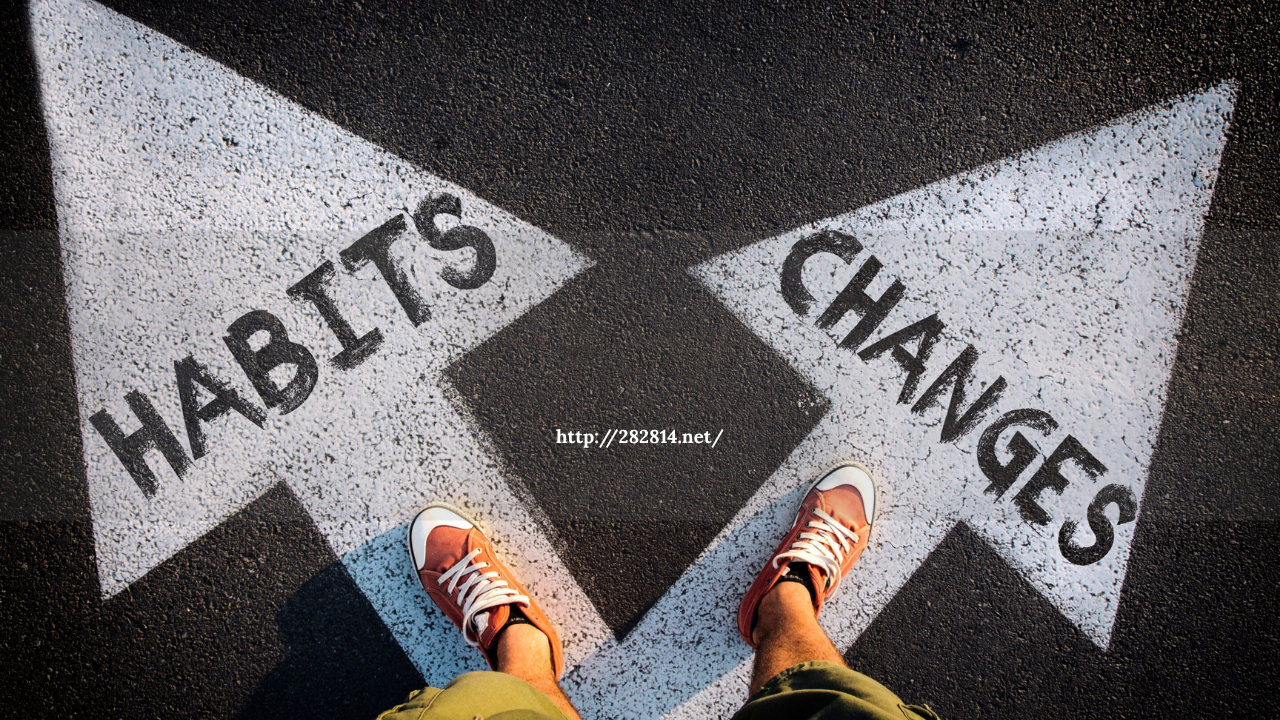
Beyond Sobriety: How Daily Habits Shape Long-Term Addiction Recovery

Recovery from addiction is not just about stopping the use of substances—it’s about creating a new life that supports long-term wellness and personal growth. Beyond achieving sobriety, individuals must develop daily habits that nurture physical health, emotional balance, and a sense of purpose. These small, consistent choices lay the groundwork for lasting recovery and help prevent relapse.

The Power of Daily Habits in Recovery

Habits shape the structure of our lives. For those in addiction recovery, daily routines provide stability and reduce the risk of falling back into old patterns. When you replace destructive behaviors with positive actions, you not only stay sober but also create a life that feels meaningful and rewarding.

Establishing healthy habits allows the brain to heal from the damage caused by substance use. It helps rewire neural pathways and reinforces new, healthier patterns of thinking and behavior. Over time, these changes strengthen resilience and improve overall well-being.

Building a Balanced Routine

Consistency is key to long-term recovery. A balanced daily routine should include:

  • Regular Sleep Schedule: Quality sleep restores the body and mind, improving mood, memory, and stress tolerance.
  • Nutritious Eating: A diet rich in whole foods, lean proteins, and vegetables supports brain function and emotional stability.
  • Physical Activity: Exercise reduces cravings by boosting endorphins, managing stress, and improving overall health.
  • Mindfulness Practices: Meditation, deep breathing, or yoga can help manage anxiety, reduce negative thinking, and promote emotional awareness.
  • Therapeutic Activities: Attending counseling, support groups, or 12-step meetings reinforces accountability and provides emotional support.

The Role of Purpose and Fulfillment

Recovery is about more than just avoiding substances—it’s about building a life that no longer requires them. Finding purpose through work, hobbies, volunteer opportunities, or creative pursuits provides a sense of meaning and direction.

Setting goals, both big and small, creates motivation and a sense of accomplishment. Whether it’s learning a new skill, rebuilding relationships, or contributing to the community, having something to strive for fosters personal growth and reinforces the commitment to sobriety.

Positive Social Connections

The company you keep has a major impact on your recovery journey. Surrounding yourself with supportive, sober individuals can reinforce healthy choices and provide encouragement during difficult times.

Building new social networks through recovery groups, sports, or shared hobbies helps combat loneliness and strengthens emotional resilience. Positive relationships foster accountability and remind you that you’re not alone in your journey.

Coping with Setbacks

Recovery is not a straight line. There may be setbacks along the way, but daily habits create a safety net that helps you bounce back. Practicing self-compassion, learning from mistakes, and staying connected to support systems are essential strategies for long-term success.

Conclusion

Long-term addiction recovery is built on the foundation of daily habits that support health, growth, and purpose. By focusing on routines that promote physical, emotional, and social well-being, individuals can move beyond sobriety to create a life that is fulfilling, meaningful, and free from addiction.

Addiction and Recovery: How Lifestyle Choices Influence the Healing Process 

Recovery from addiction is a deeply personal journey that extends far beyond abstaining from substances. While medical and therapeutic interventions are crucial, the lifestyle choices a person makes every day can significantly influence the success and sustainability of their recovery. From diet and exercise to social circles and stress management, these choices form the foundation for long-term healing and growth.

The Role of Routine and Structure

One of the key elements of recovery is establishing a stable, healthy routine. Addiction often thrives in chaos and inconsistency. Creating a structured daily schedule helps bring predictability and purpose, reducing the risk of relapse. Simple routines—such as waking up at the same time each day, planning meals, and setting goals—can provide a sense of control and normalcy.

Structure also allows time for important recovery activities like attending support group meetings, engaging in therapy, and practicing self-care. These routines reinforce positive behavior patterns and help individuals build a new, sober identity.

Nutrition and Physical Health

Substance use can take a significant toll on the body, depleting essential nutrients and weakening the immune system. Proper nutrition helps repair this damage and restore physical health. Eating a balanced diet rich in whole foods, lean proteins, fruits, and vegetables supports energy levels, brain function, and emotional stability.

Likewise, regular physical activity has profound benefits for people in recovery. Exercise boosts mood by increasing the production of endorphins and reducing stress hormones. It also improves sleep, reduces anxiety, and offers a constructive outlet for managing cravings and emotions.

The Impact of Social Environment

The people we surround ourselves with greatly influence our behavior. For someone in recovery, maintaining healthy relationships and avoiding toxic environments is essential. This might mean distancing from friends or family members who enable substance use or engaging more with supportive communities.

Building a new social network through recovery groups, volunteer work, or shared hobbies can foster a sense of belonging and accountability. Positive social interactions reinforce the decision to stay sober and provide emotional support during challenging times.

Stress Management and Emotional Wellness

Stress is a common trigger for relapse. Learning to manage it effectively is a key component of lasting recovery. Mindfulness practices such as meditation, yoga, and deep breathing can help regulate emotions and reduce anxiety.

Therapeutic tools like cognitive-behavioral therapy (CBT) or journaling can aid in processing past trauma, identifying triggers, and developing healthier coping mechanisms. Creating space in daily life for rest, reflection, and creative expression nurtures emotional well-being and promotes self-awareness.

Conclusion

Recovery is not just about avoiding drugs or alcohol—it’s about creating a life that no longer requires them. The choices made in everyday life play a powerful role in healing. By adopting healthy routines, improving physical health, building supportive relationships, and managing stress, individuals can create a lifestyle that supports recovery and promotes lasting change. Each positive decision is a step closer to a healthier, more fulfilling life free from addiction.

Financial Habits and Stress: How Your Money Choices Affect Your Life

Money is a central part of our daily lives, shaping the way we live, work, and plan for the future. But beyond paying the bills or saving for big goals, our financial habits deeply affect our emotional well-being. Poor money management can lead to stress, anxiety, and conflict, while healthy financial choices can provide stability, confidence, and peace of mind. Understanding this connection can empower you to make decisions that support both your financial and mental health.

The Link Between Money and Stress

Financial stress is one of the most common causes of anxiety among adults. Struggling to cover monthly expenses, dealing with debt, or feeling unprepared for emergencies can weigh heavily on your mind. This type of stress doesn’t just stay in your head — it can affect your sleep, concentration, mood, and even your physical health, leading to headaches, high blood pressure, or fatigue. Over time, ongoing financial worries can strain relationships and lower your overall quality of life.

On the other hand, having a plan for your money helps reduce uncertainty and provides a sense of control. Even if you aren’t wealthy, making thoughtful, proactive financial choices can ease stress and help you feel more secure in the face of life’s ups and downs.

Building Healthy Financial Habits

The good news is that small, consistent actions can make a big difference in your financial well-being. Here are a few key habits that can help:

1. Make a Budget — and Stick to It
A budget isn’t about restriction; it’s about awareness and choice. When you track your income and expenses, you can see where your money goes, prioritize essentials, and plan for the future. A budget gives you clarity and helps prevent overspending.

2. Save Regularly
Setting aside even a small amount each month can help you build an emergency fund or save for important goals. Automatic transfers into savings accounts make it easier to stay consistent, and watching your savings grow can be a powerful motivator.

3. Manage Debt Wisely
Debt, especially high-interest debt, can be a major source of stress. Develop a plan to pay it down, starting with the debts that cost you the most in interest. If you’re overwhelmed, consider seeking advice from a financial counselor.

4. Spend Mindfully
Impulse purchases and emotional spending often lead to regret. Before buying, pause and ask yourself if the item or experience truly adds value to your life. Mindful spending helps you align your money choices with your long-term priorities.

5. Keep Learning
Financial literacy is key to making informed choices. Seek out books, articles, or workshops on money management. The more you know, the more confident you’ll feel in handling your finances.

Conclusion

Your financial habits have a direct impact on your stress levels and overall happiness. By creating a budget, saving regularly, managing debt, and making mindful choices, you can build a healthier relationship with money. Remember, it’s not about being perfect — it’s about making small, steady improvements that support a secure, less stressful future.

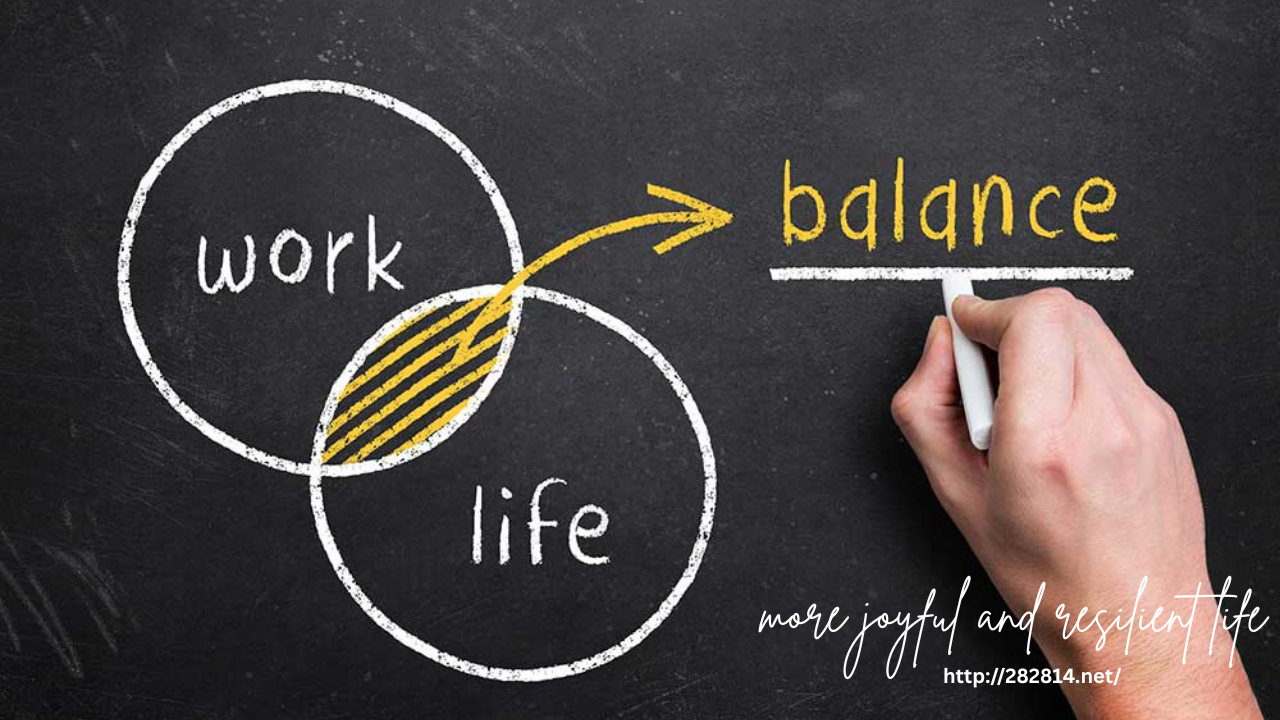
Balancing Work, Rest, and Play: Making Choices That Support Well-Being

In our modern, fast-paced world, the pressure to be constantly productive can overshadow the essential need for balance. True well-being comes not from relentless work or fleeting leisure, but from harmonizing work, rest, and play in a way that nurtures both body and mind. Making intentional choices to support this balance leads to greater mental clarity, emotional resilience, and physical health.

The Importance of Work

Work is an integral part of life, providing purpose, financial stability, and a sense of accomplishment. Whether it’s a traditional career, caregiving, or creative endeavors, meaningful work can be deeply fulfilling. However, overworking or attaching identity solely to productivity can lead to burnout, stress, and physical exhaustion.

To maintain a healthy relationship with work, set clear boundaries. Define work hours, take regular breaks, and avoid bringing tasks into your personal time. Prioritizing tasks and delegating when possible can also prevent overload and allow space for other aspects of life.

The Necessity of Rest

Rest is not a luxury—it’s a necessity. Quality rest, including sleep and downtime, restores energy, supports cognitive function, and strengthens the immune system. Without adequate rest, decision-making suffers, emotions become harder to regulate, and physical health declines.

Sleep should be a top priority. Aim for 7-9 hours per night and maintain consistent sleep and wake times. Additionally, integrate periods of relaxation into your day. Short breaks, deep breathing, or simply unplugging from digital devices can rejuvenate your mind and body.

Mental rest is equally important. Practices like meditation, mindfulness, or quiet reflection help clear mental clutter and build resilience. Giving yourself permission to rest without guilt is a powerful act of self-care.

The Joy of Play

Play is often undervalued in adulthood, yet it is crucial for creativity, connection, and emotional well-being. Engaging in enjoyable activities—whether it’s a hobby, sport, game, or time with loved ones—stimulates the brain, fosters social bonds, and brings joy.

Play encourages spontaneity and stress relief. It allows for self-expression and can reignite passion and curiosity. Schedule time for fun just as you would for work or appointments. Even a few minutes of laughter or a creative outlet can shift your mood and perspective.

Creating Balance

Balancing work, rest, and play requires self-awareness and intentional choices. Start by assessing how you currently spend your time. Are your days dominated by work? Do you sacrifice rest or fun to meet deadlines or obligations? Identify areas where imbalance exists and take small steps to recalibrate.

Time management tools like calendars or habit trackers can help ensure all three elements are included in your routine. More importantly, listen to your body and emotions—they are indicators of when adjustments are needed.

Conclusion

Well-being is the result of a life lived in balance. By valuing work, prioritizing rest, and embracing play, you create a sustainable lifestyle that supports health, happiness, and fulfillment. Achieving this balance isn’t about perfection but about making thoughtful, consistent choices that honor all parts of who you are. In doing so, you lay the foundation for a more joyful and resilient life.

The Impact of Lifestyle Choices on Longevity and Quality of Life

The choices we make every day—what we eat, how we move, how we manage stress—have a profound impact on both how long we live and how well we live. Longevity and quality of life are not merely determined by genetics; lifestyle choices play a significant role in determining our overall health, vitality, and happiness. By making informed decisions, we can extend our lifespan while enhancing our day-to-day experiences.

Nutrition: Fuel for a Long and Healthy Life

A balanced diet rich in fruits, vegetables, whole grains, lean proteins, and healthy fats supports optimal bodily function and helps prevent chronic diseases such as heart disease, diabetes, and cancer. Conversely, diets high in processed foods, sugar, and unhealthy fats can lead to inflammation, obesity, and a host of other health issues that can shorten life expectancy and decrease quality of life.

Eating mindfully and choosing nutrient-dense foods can enhance energy levels, improve digestion, and promote mental clarity. Proper nutrition is not just about living longer; it’s about living better.

Physical Activity: The Engine of Vitality

Regular exercise is essential for maintaining physical health and mental well-being. It strengthens the heart, muscles, and bones, while also improving flexibility, balance, and endurance. Moreover, exercise releases endorphins, which elevate mood and combat stress and anxiety.

Adults who engage in regular physical activity have a lower risk of developing chronic diseases and tend to live longer than their sedentary peers. Whether it’s walking, dancing, swimming, or strength training, finding an enjoyable way to stay active can greatly enhance both longevity and quality of life.

Sleep and Stress Management: Pillars of Wellness

Adequate sleep and effective stress management are often overlooked components of a healthy lifestyle. Chronic sleep deprivation has been linked to a higher risk of numerous health problems, including heart disease, obesity, and depression. Prioritizing sleep hygiene—such as maintaining a consistent sleep schedule and creating a restful environment—can significantly improve physical and mental health.

Similarly, managing stress through techniques like meditation, deep breathing, yoga, or spending time in nature can prevent burnout, reduce inflammation, and boost overall resilience. A calm mind supports a healthy body.

Social Connections and Mental Engagement

Strong social ties and mental stimulation are vital for emotional health and cognitive function. Loneliness and social isolation have been associated with increased mortality and a diminished quality of life. Maintaining relationships, engaging in meaningful conversations, and participating in community activities can foster a sense of purpose and belonging.

Lifelong learning and mental challenges, such as puzzles, reading, or learning new skills, also support brain health and may help delay cognitive decline.

Conclusion

Our lifestyle choices are powerful determinants of our longevity and quality of life. By prioritizing nutritious food, regular exercise, restful sleep, stress management, and social and mental engagement, we can build a strong foundation for a longer, more vibrant life. Each positive choice adds up, creating a life that is not only long in years but rich in experiences and well-being. The path to a healthier future starts with the choices you make today.